
Physiotherapy Treatment Options
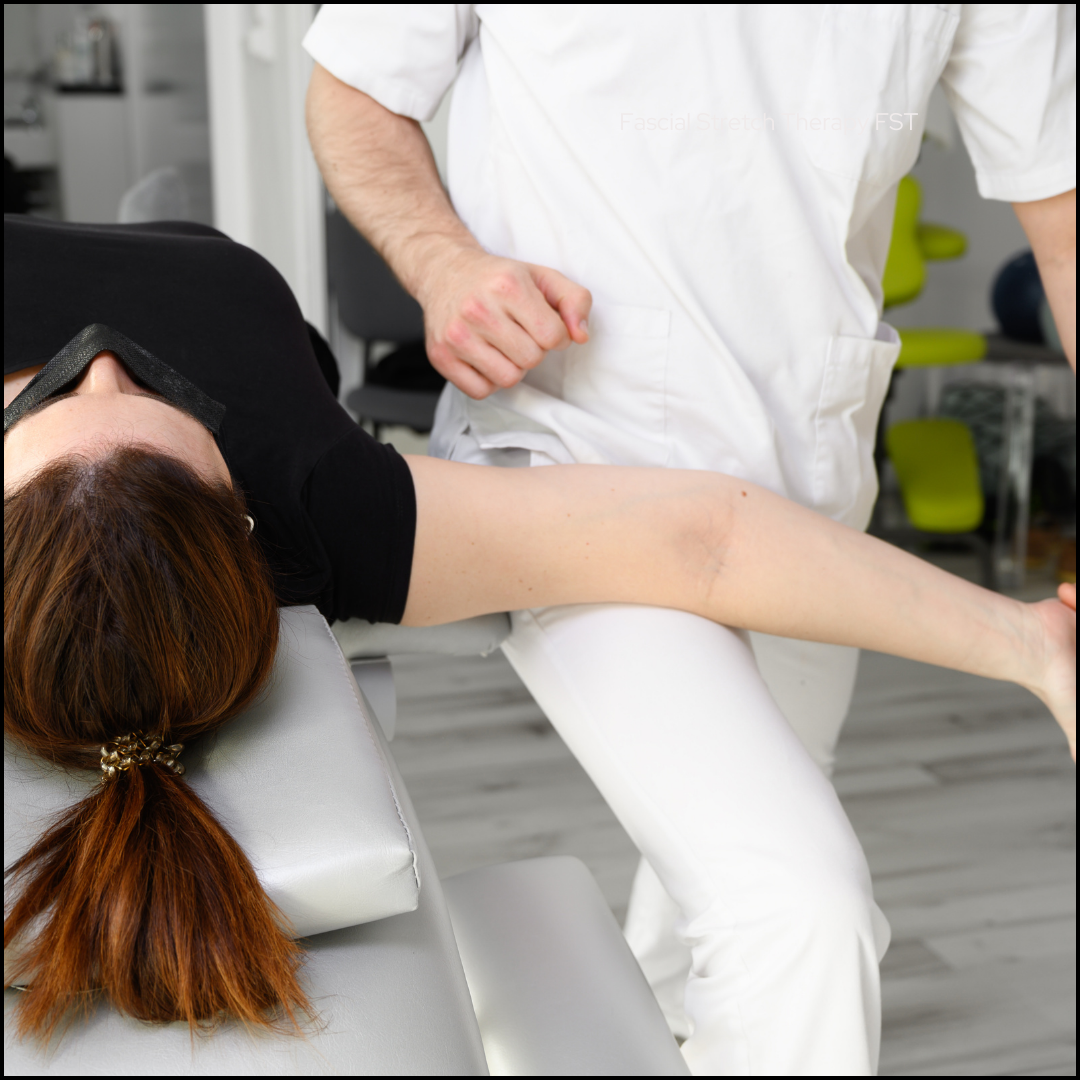
Fascial Stretch Therapy
Fascial Stretch Therapy (FST) is a neurofunctional approach to recovery that uses assisted stretching and manual therapy targeted to the joints and connective tissues of the body, not just the muscles. Its proven ability to enhance nervous system response, increase strength, and improve mobility and balance make it particularly useful for chronic pain conditions, athletic performance enhancement, and injury rehabilitation. Direct billing is available to all major plans with Physiotherapy coverage.

Mulligan Mobilization
Physiotherapists who are trained in mulligan mobilization incorporate this technique to increase range of motion in stiff or sore joints, as part of their overall physiotherapy treatment plan of assessment, exercise therapy, patient education, and manual therapy. Gentle passive pressure is applied while the client actively moves through the range of motion that would normally cause discomfort -- the pressure helps maintain a stable joint position through the whole range and improve the joint mechanics by reducing restrictions without force.
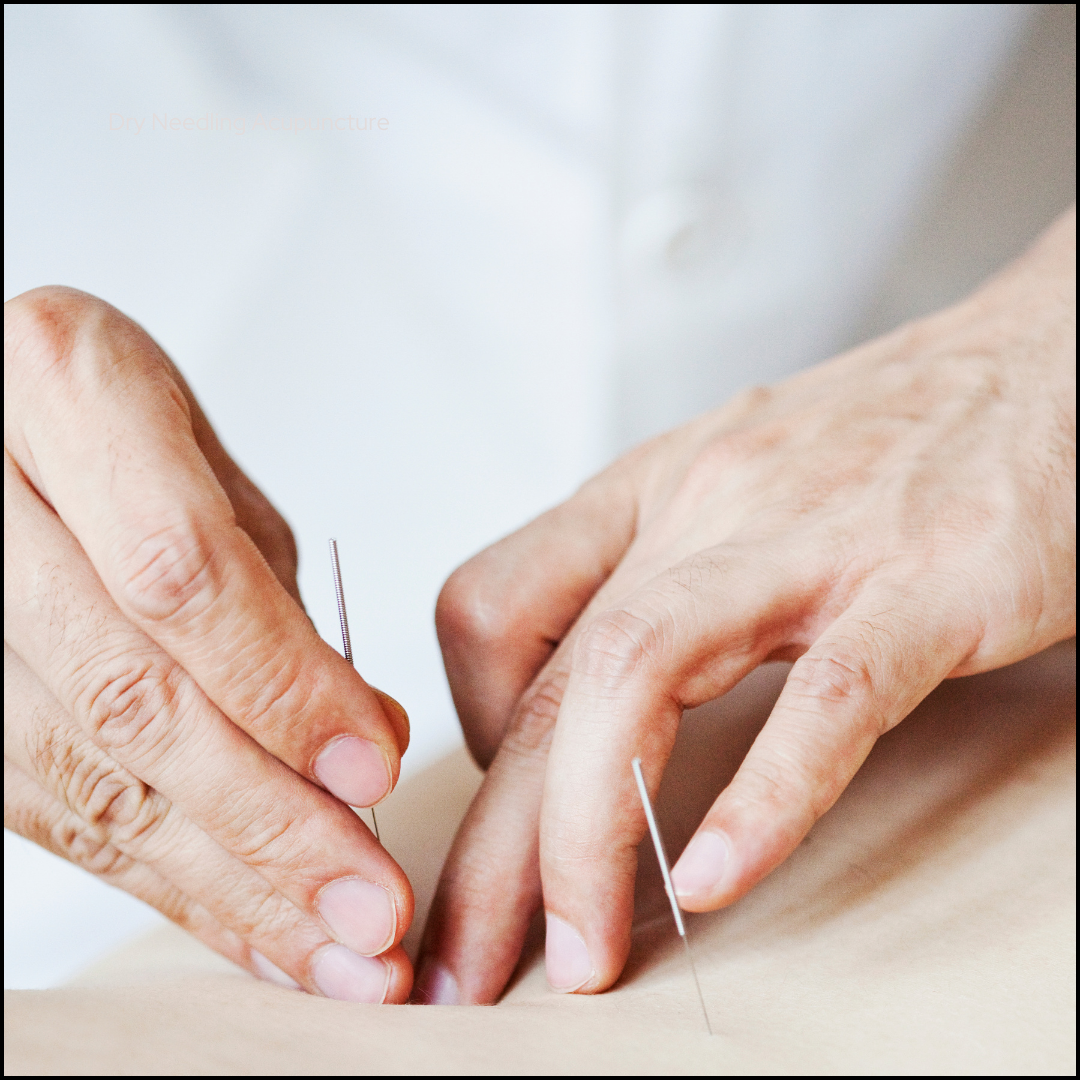
Dry Needling
Dry Needling is a focused acupuncture technique that treats myofascial trigger points, spasms and adhesions with the insertion of very thin needles directly into the affected muscle tissue. Dry needling is performed as part of a comprehensive Physiotherapy treatment plan, offering effective relief from chronic tension, pain, and overuse injuries
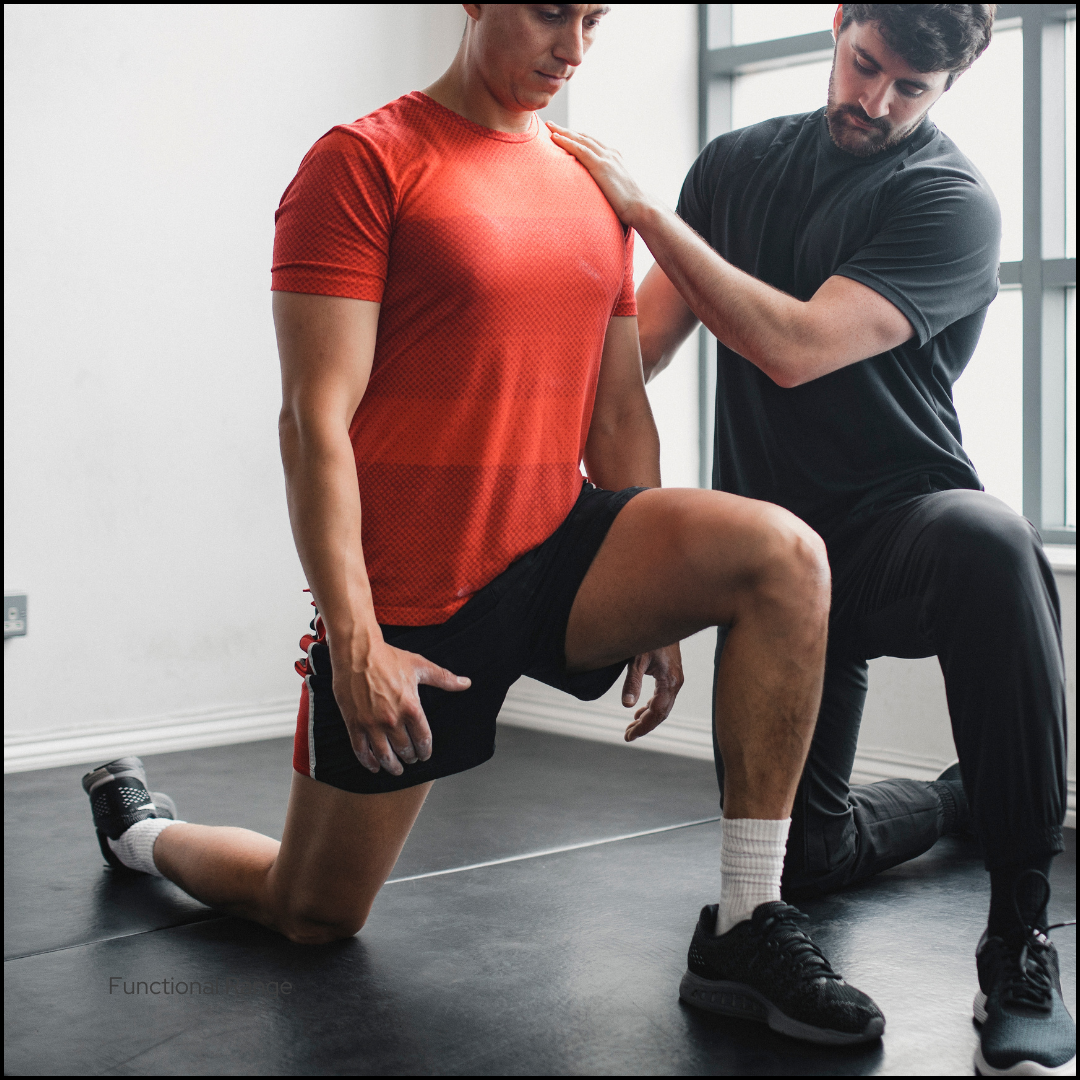
Functional Range Systems
Functional Range Release and Functional Range Conditioning are an an advanced, and comprehensive system of soft tissue assessment, treatment, and rehabilitation. Functional Range Conditioning® is a comprehensive joint training system based in scientific principals and research. Training with FRC® improves the function of your nervous system. This leads to a reduction of pain and injury, joint health and longevity, as well as an increased ability to move freely and easily.

BoneFit
The BoneFit* program includes comprehensive fracture risk assessment, movement screening and orthopedic manual assessment that guide a personalized exercise therapy and hands-on physiotherapy to support daily activities and improve balance, mobility, and strength while striving to slow or reverse bone density loss.
*BoneFit is a registered trademark of Osteoporosis Canada.
Common Physiotherapy Treatment Methods

Assessment
Physiotherapists are experts at evaluating the type and severity of common athletic, workplace, and chronic or repetitive injuries using established best practices under the Sports Medicine model of care.

Rehabilitation
Preparing individuals to re-establish their pre-injury lifestyle, physiotherapists take an active approach to rehabilitation, including manual and movement therapies, electrical modalities, and targeted exercises to ensure musculoskeletal stability and function.

Kinesiotaping
Preparing individuals to re-establish their pre-injury lifestyle, physiotherapists take an active approach to rehabilitation, including manual and movement therapies, electrical modalities, and targeted exercises to ensure musculoskeletal stability and function.
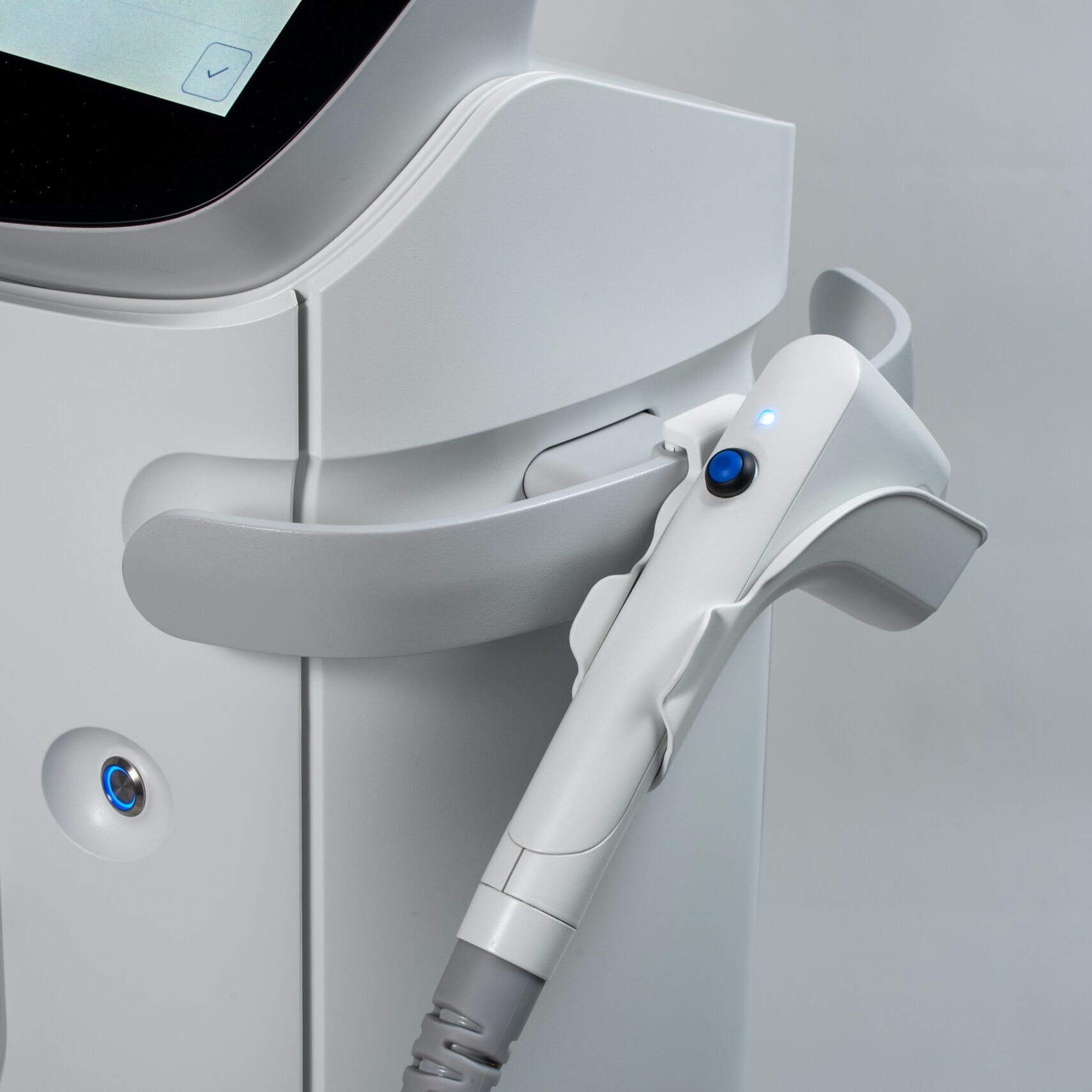
Ultrasound
Physiotheapists work with individuals on a customized basis to condition for preventive measures and re-condition with exercise rehabilitation to avoid further injury and reduce chronic dysfunctions.

Reconditioning & Prevention
Physiotherapists work with individuals on a customized basis to condition for preventive measures and re-condition with exercise rehabilitation to avoid further injury and reduce chronic dysfunctions. .
Emergency & Acute Care
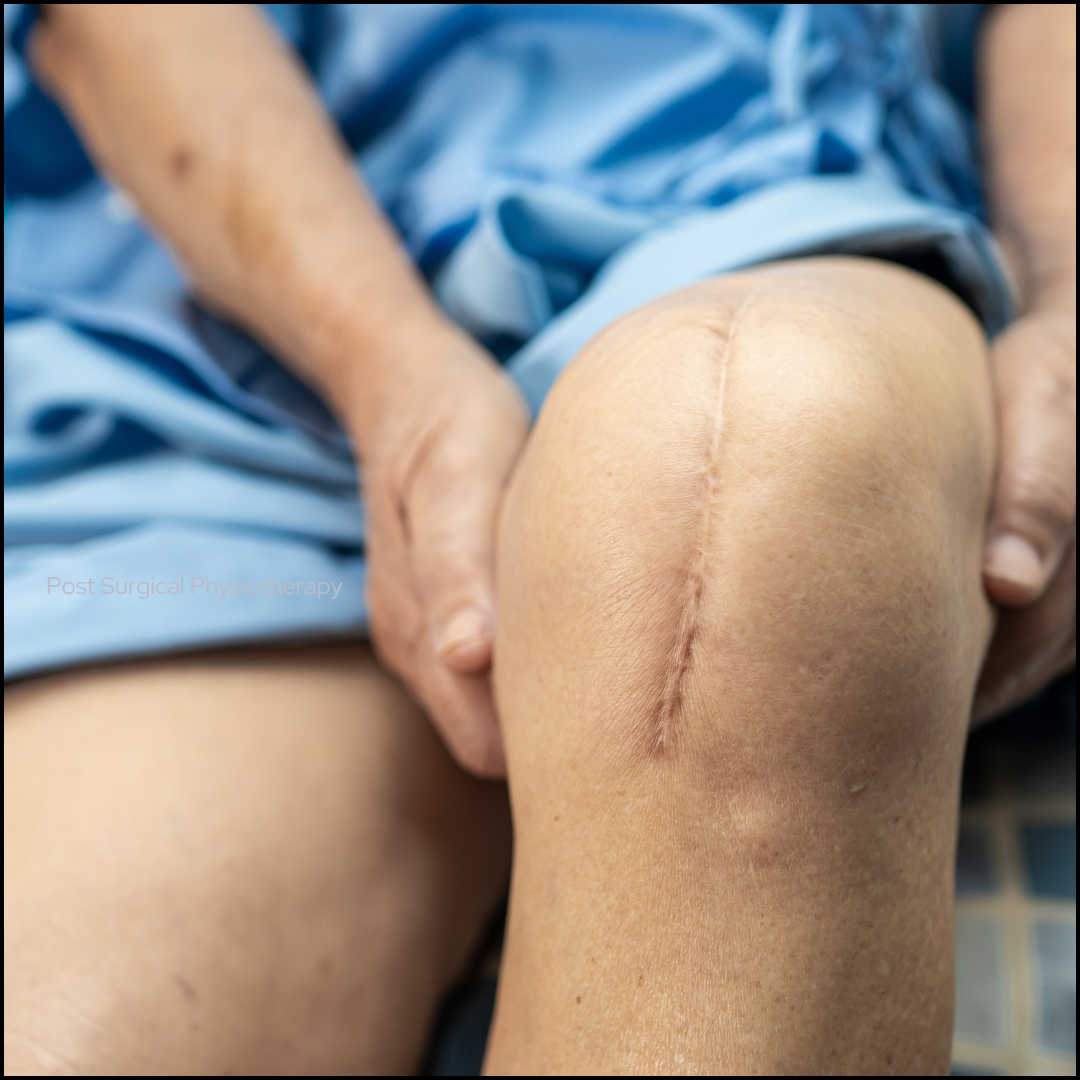
Physiotherapists help patients return to regular activities following an acute injury or accident, and are trained to recognize and manage neurological dysfunction, post-surgical complications, and provide support for during all stages of recovery. Proactive physiotherapy can help prepare individuals for surgery and improve post-surgical outcomes.