
Osteopathy for Digestive Disorders
Osteopathy offers gentle and natural relief for digestive concerns and motility issues for children and adults. Osteopathic treatment for digestion focuses on supporting the digestive organs with visceral manipulation, fascial release, diaphragmatic and rib mobilization, and osteoarticular techniques for the spine and pelvis. Osteopathy is an effective treatment to reduce symptoms and discomfort of functional digestive complaints, and offers a natural therapy option for clients of all ages.

Prenatal Reflux & Constipation
During pregnancy, hormonal changes and the growing uterus can slow digestion, relax the lower oesophageal sphincter, and shift abdominal organs, often leading to reflux and constipation. Osteopathic care targets these underlying factors by gently releasing tension in the diaphragm, abdomen, and pelvic floor, improving mobility in the spine and ribcage, and supporting healthy organ positioning. This can reduce pressure on the stomach, enhance intestinal motility, and ease discomfort, helping to relieve heartburn and constipation naturally while supporting overall prenatal comfort.

Delayed or inefficient gastric emptying, sometimes referred to as gastroparesis, can cause bloating, fullness, nausea, reflux, and abdominal discomfort because the stomach empties more slowly than normal. Osteopathic care doesn’t “cure” gastroparesis, but it can complement medical management by gently releasing tension in the diaphragm, abdomen, and upper spine—areas that influence the vagus nerve, which coordinates stomach motility and the pyloric sphincter. By improving mobility and supporting optimal nervous system function, these techniques can help the stomach empty more efficiently, reduce discomfort, and promote overall digestive balance.

Bladder and bowel urgency can stem from tension or dysfunction in the pelvic floor, lower spine, or surrounding connective tissues, which can affect nerve signaling and muscle coordination. Osteopathic care gently assesses and releases restrictions in these areas, helping restore optimal pelvic alignment, improve nerve function, and support healthy muscle tone. This can reduce the frequency and suddenness of urges, improve control, and promote more comfortable, coordinated bladder and bowel function.

Infant colic and gas pain are often caused by trapped gas, digestive immaturity, or tension in the abdomen, diaphragm, and surrounding muscles. Osteopathic care gently assesses and releases tension in these areas, helping the digestive system move more freely and reducing discomfort. By improving mobility in the spine, ribs, and abdomen, osteopathic techniques can support better digestion, ease gas buildup, and soothe fussy infants, providing relief for both baby and caregivers.

Irritable Bowel & GERD
Irritable bowel syndrome (IBS) and gastroesophageal reflux disease (GERD) are often linked to digestive motility issues, tension in the diaphragm and abdominal muscles, and postural or spinal restrictions that affect gut function. Osteopathic care focuses on gently releasing these areas, improving movement of the digestive organs, and supporting balanced nervous system regulation. This can help reduce bloating, cramping, and reflux symptoms, support smoother digestion, and relieve discomfort, complementing dietary and lifestyle strategies for long-term digestive health.

Bloating and fluid retention often result from slowed digestion, reduced lymphatic or venous flow, or tension in the abdomen, diaphragm, and pelvic region. Osteopathic care focuses on gently releasing restrictions in these areas, improving organ mobility, supporting lymphatic circulation, and enhancing overall fluid movement. By addressing these underlying factors, it can help reduce abdominal distension, ease discomfort, and promote a sense of lightness and digestive balance.

Constipation
Constipation can result from slowed intestinal motility, pelvic floor tension, or postural and spinal restrictions that affect nerve signaling to the gut. Osteopathic care gently releases restrictions in the spine, pelvis, and abdomen, supports healthy pelvic floor function, and improves overall digestive mobility. These techniques can help ease bowel movements, reduce straining, and restore a more comfortable, regular digestive rhythm.
Osteopathic manual therapy plays a key role in reducing pain, discomfort, and symptoms associated with digestive disorders. It works collaboratively with other healthcare practitioners (including your family doctor or gastroenterologist, when appropriate) and integrates seamlessly with members of Anatomica’s wellness team in Toronto. Naturopathic medicine and acupuncture can help address underlying causes of digestive upset, while specialized lymphatic drainage and massage techniques support the reduction of bloating, distension, constipation, and fluid retention, offering a comprehensive, whole-body approach to digestive health.

Integrative and Functional Treatment Options for Digestive Health
At Anatomica, we treat the whole person by offering integrative treatment options that empower clients to build their own customized wellness plans. Combining evidence-based natural medicine with skilled manual therapy, our approach is patient-centred and patient-led, focusing on each individual’s goals and needs. By addressing concerns holistically, considering the body’s interconnected systems while applying targeted and focused strategies, we provide more comprehensive care and support measurable, lasting results for overall health and well-being.

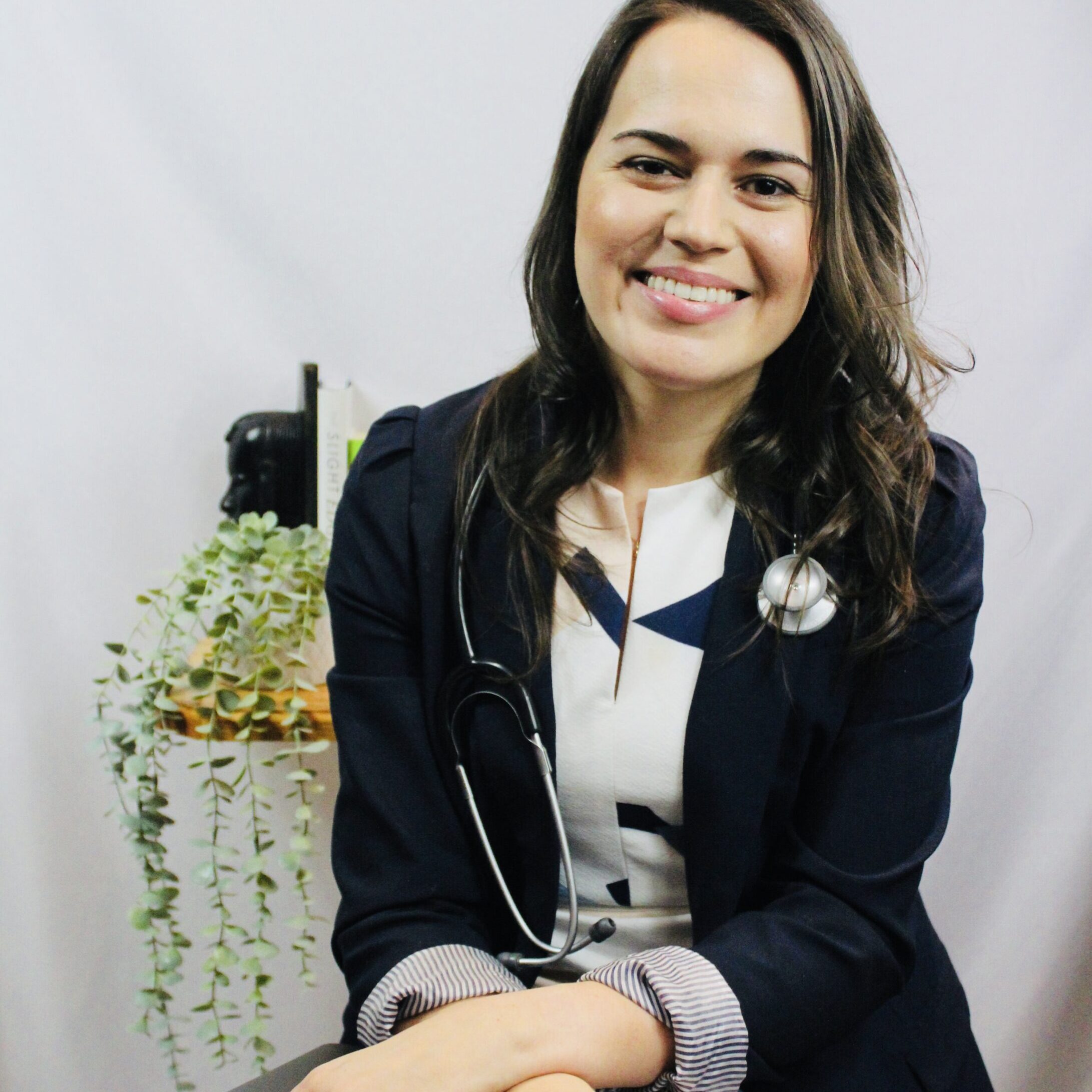
Christina de Avila
Naturopath
Personalized Nutrition and Rx Supplements
Parasites & SIBO

Marie-Ange Chercel
Osteopathic MP
Reg. Acupuncturist
Visceral Osteopathy
Chi Nei Tsang