
Pelvic Health Training and Certified Pelvic Floor Therapy
Learn key differences between certified pelvic floor therapists and practitioners who have additional training in pelvic health
Your pelvic floor is the hammock of fascia, muscle, tendon, nerves and ligaments that supports your internal organs. These soft tissues play a role in continence, organ health, breathing coordination, and sexual function. The pelvic floor also connect the bones of the pelvis to one another, and interact closely with the muscles and ligaments that connect to the thighs (femurs) and spine.
The complexity and connections of the pelvic floor means that any dysfunction of the tissues can lead to significant discomfort and disruption to daily life. At Anatomica, we take an integrated approach to health and wellness, looking beyond any single structure and considering how the whole body contributes to symptoms and recovery.

What is pelvic health training?
Many physiotherapists, osteopathic practitioners, chiropractors, and other manual therapists pursue continuing education in pelvic health. This training may be completed online or in person and typically focuses on:
- Structural and functional pelvic anatomy
- Connection between the pelvic floor and diaphragm
- Common conditions such as incontinence, pelvic pain, and prolapse
- Breathing mechanics and core coordination
- Exercise-based rehabilitation strategies
- External manual therapy techniques
- Self-care instruction and lifestyle modifications
- When to refer to a Certified Pelvic Floor Therapist
This type of education builds a strong foundation for understanding how the pelvic floor works in relation to the diaphragm, spine, hips, and nervous system. It is primarily theoretical and externally focused, building on the practitioner’s professional training and skills and staying within their existing scope of practice.
How non-certified practitioners treat pelvic floor dysfunction
Practitioners with additional pelvic health training can provide highly effective care, particularly when symptoms are influenced by movement patterns, muscular imbalance, or load management. At Anatomica, our gender-inclusive pelvic wellness treatments are designed to help with pelvic floor dysfunction and symptoms without internal techniques.
Treatment may include:
- Education on bladder, bowel, and sexual health
- Breathing and pressure management strategies
- Exercise prescription for pelvic floor coordination, including both strengthening and relaxation
- Postural and movement retraining and functional conditioning
- External manual therapy to the abdomen, hips, low back, and inner thighs
- Neurofunctional acupuncture, if the practitioner is licensed
- Techniques such as myofascial release, cupping, or assisted stretching
This approach supports many common concerns, including mild incontinence, pelvic discomfort, postpartum recovery, and core dysfunction. It is often a valuable starting point for care.
These practitioners do not perform internal pelvic exams or treatments, as this requires specific certification and falls under a different scope of practice.
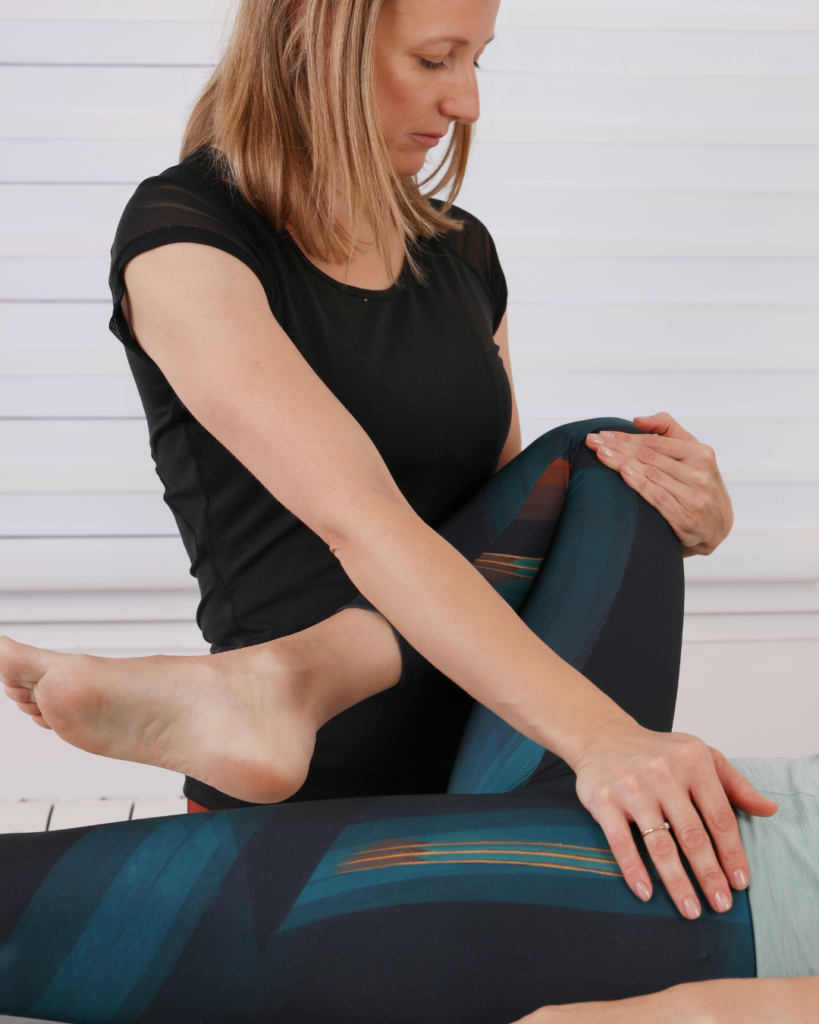
External treatment improves pelvic floor function by releasing tension and strengthening surrounding muscles and connective tissue.
Certified Pelvic Health Therapists and scope of practice
In Toronto, a Certified Pelvic Health Therapist is most commonly a physiotherapist with advanced designation. These physiotherapists have completed extensive post-graduate training that includes both theory and hands-on clinical skills.
This allows them to:
- Perform internal pelvic assessments
- Evaluate muscle tone, strength, endurance, and coordination directly
- Identify internal trigger points or areas of dysfunction
- Provide internal manual therapy when appropriate
- Use tools such as biofeedback for more targeted neuromuscular retraining
This level of assessment can be especially helpful for persistent, complex, or unclear presentations. Internal (vaginal or anal) palpation is a controlled act, meaning that only physiotherapist who are certified pelvic floor physiotherapists can perform these techniques. You can learn more about the scope of practice for physiotherapists and find a certified pelvic health therapist by visiting the College of Physiotherapists website.
What to expect from an internal pelvic assessment
Internal assessment is a clinical evaluation performed with informed consent, clear communication, and patient control at every step.
It allows the therapist to assess pelvic floor muscles in a way that external techniques cannot fully replicate. This may include evaluating:
- Strength and endurance
- Ability to contract and fully relax
- Areas of tension, sensitivity, or pain
Treatment may involve gentle internal techniques to support muscle function, reduce pain, or improve coordination. This is always optional, and care can be adapted to align with each patient’s comfort level.
External pelvic health treatments are used across both approaches
Both certified pelvic therapists and non-certified pelvic-health-trained practitioners use a wide range of external, evidence-based strategies. These external techniques form the foundation of pelvic health therapy for most patients, and include:
- Breathing and diaphragm retraining
- Core and pelvic floor coordination exercises
- Manual therapy to the spine, hips, and abdominal wall
- Nervous system regulation strategies
- Education and self-management tools
Pelvic health is rarely isolated. A whole-body, and more importantly: whole person approach is often what creates meaningful and lasting change.
Pelvic health care at Anatomica
At Anatomica, we have practitioners with additional training who can support pelvic health for patients of all genders using external, evidence-informed techniques. This can be an excellent entry point for care, and can greatly reduce symptoms of pelvic pain, bladder urgency, irritable bowel, muscle spasms, and other conditions for those who prefer an externally-focused approach.
When indicated, our practitioner will help guide patients to find a Certified Pelvic Health Therapist for internal assessment and more advanced pelvic floor treatment. Our team works collaboratively to ensure that each patient has access to the right level of care, at the right time, in a way that feels informed, respectful, and supportive.
Pelvic health concerns are common and treatable, and you deserve to feel confident in how your body moves and functions. With the right guidance and a thoughtful, individualized approach, patients at Anatomica see meaningful progress and outcomes, not just in their pelvic health symptoms, but also their body mechanics, mobility, and wellbeing.
Alicia Saimbi is an Osteopathic Manual Practitioner with additional training in pelvic health for gender-diverse clients. She offers a holistic approach to pelvic health and overall wellness that includes visceral and osteoarticular approach.