
What is osteopathy?
Osteopathy is a hands-on manual therapy treatment method that looks at the way the body functions as a whole, rather than viewing its parts or symptoms separately. It's based on the philosophy that the body has an innate ability to heal itself when its components are in balance.
What do osteopathic practitioners do?
Osteopathic manual therapists combine manual assessment and structural manipulation techniques to the musculoskeletal tissues (bones, muscles, joints, and ligaments), as well as the viscera (organs) and the lymphatic, cardiovascular, and nervous systems.
Using skilled assessment and rehabilitation techniques osteopathic practitioners deliver a robust and comprehensive treatment that aims to identify the root cause of the dysfunction as well as contributing and co-dependent factors.
Treatments can help posture, reduce pain, and promote proper function of these internal and interconnected systems of the body, which promotes healing and homeostasis naturally.
What conditions can osteopathy treat?
Osteopathy can be an effective treatment for a variety of illnesses, medical conditions and injuries. The ranges goes from pediatric conditions to chronic pain to systemic problems that involve neurological, digestive or circulatory systems, and chronic inflammatory conditions. Osteopathy can provide support for patients with arthritis, fibromyalgia, multiple sclerosis, edema, irritable bowel and other digestive disorders, overactive bladder, asthma and respiratory conditions.
Manual osteopathic treatment can offer relief for sports injuries, arthritis and joint pain, nerve entrapment, headaches, jaw pain, and other common orthopedic and musculoskeletal dysfunctions.
How does Osteopathy work?
Osteopathy isn't magic, but it can seem that way when you first experience it.
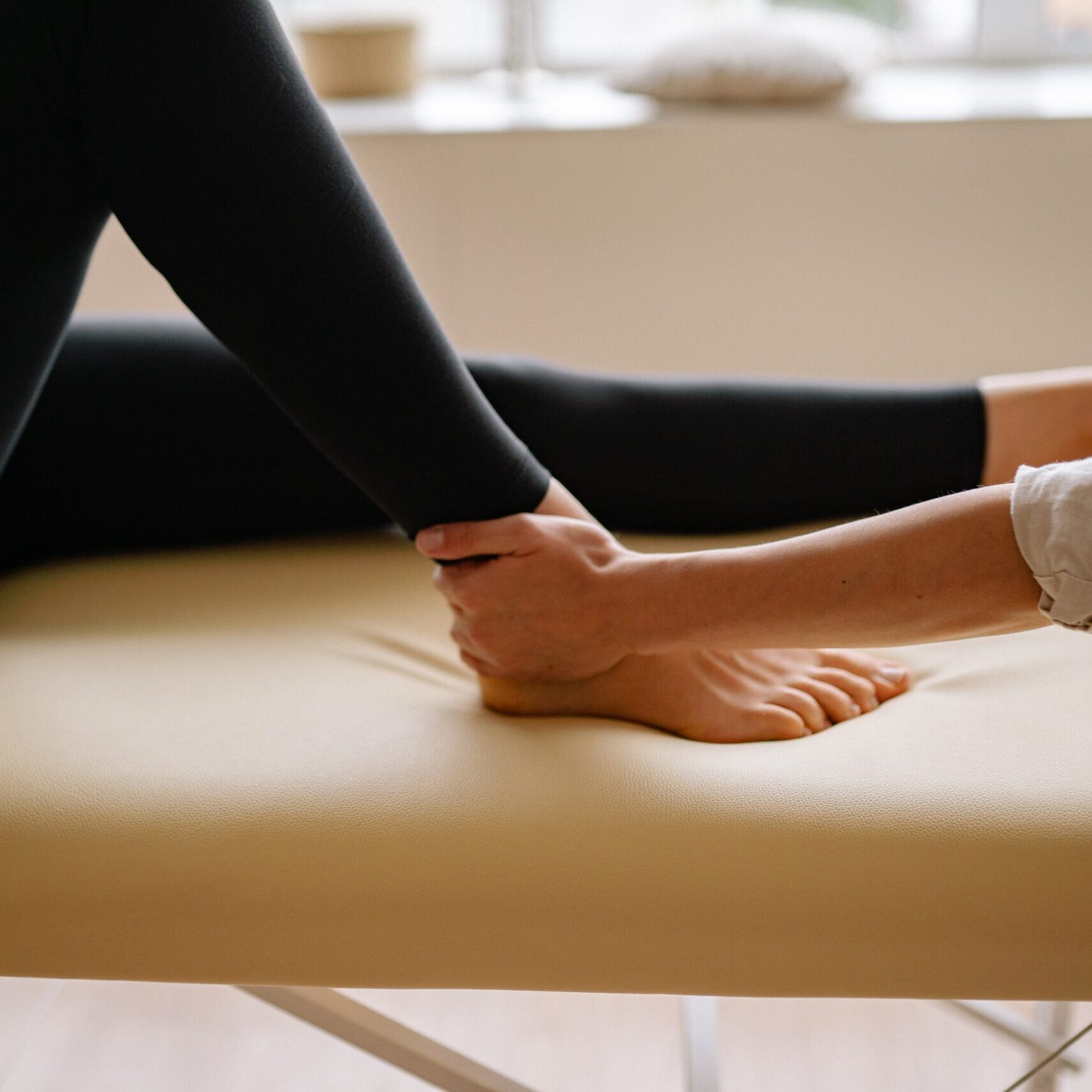
Osteopathy is a hands-on, science-informed manual therapy that focuses on how the body’s structure and movement influence overall health. Osteopathic manual practitioners are highly trained in functional anatomy and biomechanics, assessing how joints, muscles, fascia, and connective tissues interact as part of an integrated system.
Rather than treating symptoms in isolation, osteopathy looks for the underlying causes of pain, stiffness, or dysfunction. By using gentle manual techniques to improve mobility, reduce tissue tension, and support circulation and nervous system function, osteopathy helps the body restore balance and optimize its natural healing processes.
Osteopathic care is individualized and collaborative. Treatment often includes education, movement strategies, and lifestyle guidance to support recovery, prevent future injury, and enhance long-term physical function and wellbeing.
Why Does Treating the Whole Body Matter in Osteopathy?
Osteopathy is grounded in the understanding that the body functions as an interconnected system. Pain or dysfunction in one area is often influenced by movement patterns, tension, or restrictions elsewhere in the body. For example, persistent neck pain may be linked to rib mobility, breathing mechanics, posture, or even how the pelvis and spine move together during daily activities.
By assessing the whole body, osteopathic manual practitioners identify patterns of compensation—areas that are working harder to make up for regions that are restricted or underperforming. These compensations can contribute to ongoing pain, stiffness, reduced mobility, and decreased physical resilience over time.
Treatment focuses on improving how different regions of the body move and communicate with one another. Gentle manual techniques are used to restore joint motion, normalize soft tissue tension, and support circulation and nervous system function. This whole-body approach aims to reduce strain on vulnerable areas, enhance movement efficiency, and support the body’s natural capacity for recovery and self-regulation.
Osteopathic care is collaborative and patient-centred. Practitioners often incorporate education, movement strategies, and lifestyle considerations so individuals can better understand their bodies and participate actively in their care. This integrative approach supports not only symptom relief, but also long-term function, injury prevention, and overall physical wellbeing
What are the benefits of osteopathy treatment?
Everyone can benefit from osteopathic evaluation and treatment. Osteopathy employs a holistic (whole body) approach to treatment. It is a non-invasive, drug-free alternative to help patients restore the circulatory, nervous and lymphatic system function, find relief from pain, achieve balance in the body, and improve overall health.
What treatment methods does Osteopathy use?
Osteopathy is a holistic approach to functional and structural rehabilitation that addresses the interconnection between tissues. Osteopathic manual practitioners have extensive training and use a range of hands-on soft-tissue release, joint mobilization, and neurofunctional techniques to evaluate and treat restrictions and imbalances in the body's movement patterns and alignment that contribute to injury.
Our Osteopathy Team



Osteopathic Treatment Methods
Frequently Asked Questions
Is Osteopathy Covered by Insurance?
At Anatomica, our Osteopathic manual practitioners are each registered members of either the OAO and/or OSTCAN professional associations and have the highest level of education and training: a 4-year diploma in Osteopathic sciences. This ensures that our treatments are eligible for claims to all benefits plans with osteopathy coverage.
Direct Billing for Osteopathy Treatments
Direct billing is available for Osteopathy treatments on many plans, including Sunlife, SSQ, Greenshield, Blue Cross, Manulife, Desjardins, Canada Life, and others. Please consult your coverage prior to booking. A receipt will be provided if direct billing is not available on your plan -- treatments are eligible to be claimed to all plans with Osteopathy coverage.